Loading...
Serving Laredo, TX and surrounding areas. (956) 539-8021
If certain rooms never cool down no matter what you set the thermostat to, your walls may be letting South Texas heat pour in. We fill empty wall cavities so your AC can finally do its job.
Wall insulation in Laredo fills empty or under-insulated wall cavities to slow heat transfer through your exterior walls, most single-story homes complete in one day without opening up the walls or disrupting your home.
A significant portion of Laredo's housing stock was built before modern insulation standards became common practice. Many homes, especially in established neighborhoods near downtown and older colonias, have hollow wall cavities that have been leaking cooled air and pulling in summer heat for decades. Wall insulation in Laredo addresses that gap directly, room by room.
For the most complete thermal upgrade, wall insulation pairs well with air sealing services that close the gaps around outlets, pipe penetrations, and framing. If you are also dealing with a hot attic, pairing this work with blown-in insulation above the ceiling delivers even greater comfort across the whole home.
If your electricity costs climb past $300 or more per month during Laredo's peak heat and your HVAC system is in good working order, your walls may be letting heat pour in unchecked. In South Texas, an uninsulated wall offers almost no resistance against 100-degree afternoons, and the air conditioner cannot compensate on its own.
If one or two rooms always feel hotter than the rest, especially west- or south-facing rooms in the afternoon, those walls likely have little or no insulation. In Laredo's heat, an uninsulated west-facing wall can radiate warmth into a room for hours after the sun moves on, even when the AC is running.
Remove the cover plate from an outlet on an exterior wall. If you feel warm air or see an empty cavity, your wall has no insulation. These small openings add up quickly across a whole house. In Laredo's climate, even minor air infiltration makes a real difference on your monthly bill.
Laredo homes built before roughly 1985 were commonly constructed without wall insulation. If your home falls in this category and has never had insulation added, the odds are high that your wall cavities are completely empty. A short assessment from a local contractor can confirm it at no cost.
We install wall insulation in existing homes without requiring a gut renovation. The most practical option for finished walls is blown-in insulation, where we drill small access holes, fill every cavity completely, and patch the holes before we leave. This approach works whether your home has stucco, vinyl siding, or brick veneer on the exterior.
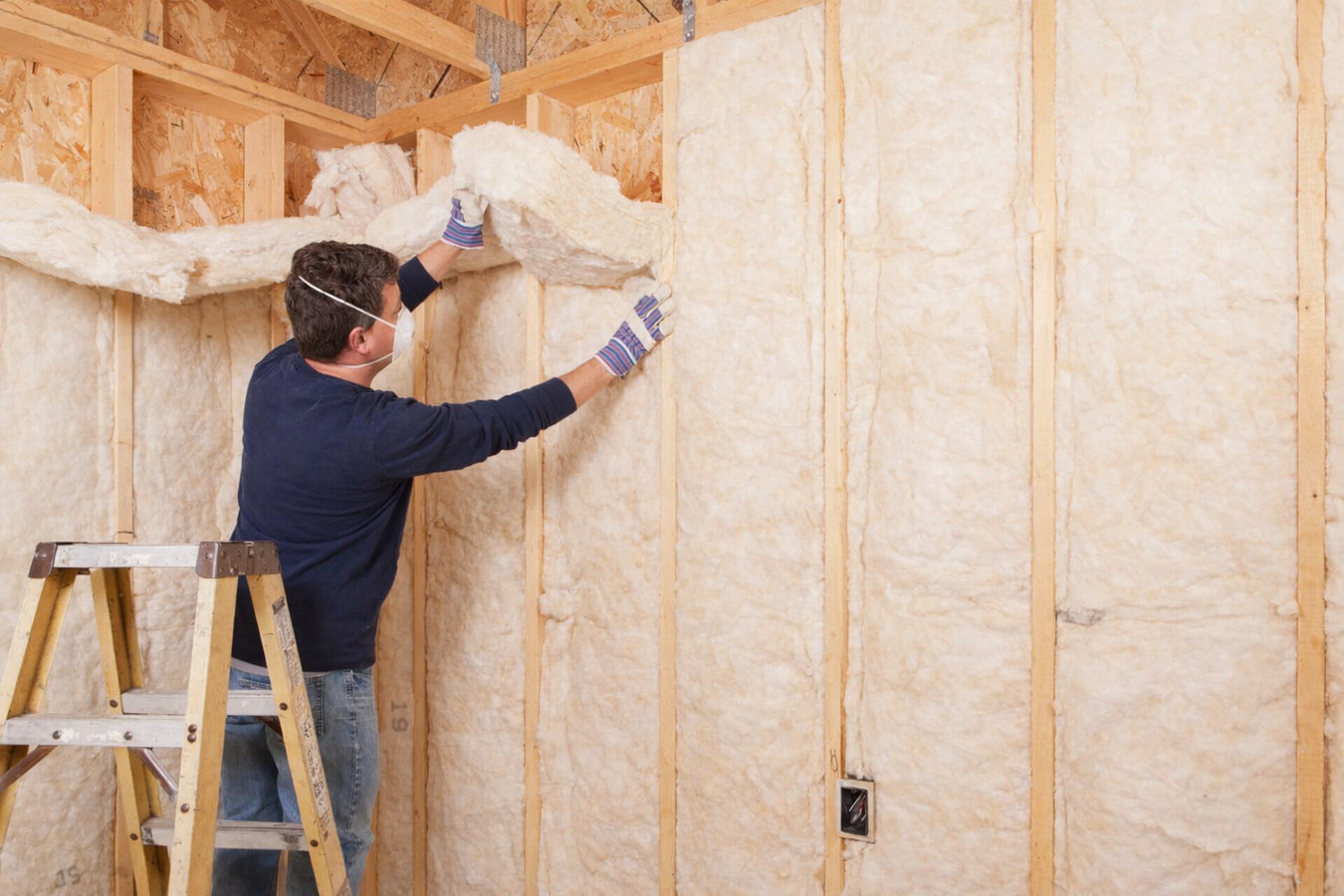
For homes undergoing a renovation with walls open, we can install batt insulation during the framing stage for a thorough seal. We also work with spray foam for specific situations, such as rim joists and areas where an airtight seal is the priority alongside thermal resistance. If your project also involves air sealing services, we can coordinate both in a single visit to save you time and avoid redundant trips.
For homes where existing insulation has settled, been damaged by moisture, or is simply too thin, we also offer blown-in insulation as a top-up option to bring your walls up to the R-value that South Texas conditions require without touching what is already there.
Best for finished walls in existing homes; installed through small access holes with no drywall removal.
Best for walls that are open during a renovation or new construction where full cavity access is available.
Best for rim joists and areas where an airtight seal and thermal barrier are both required in the same location.
Best for homes with some existing insulation that has settled or thinned below the recommended R-value for this climate.
Laredo ranks among the hottest cities in the United States, with summer highs regularly exceeding 100 degrees and a cooling season that runs from April through October. For a home with empty wall cavities, that heat is essentially unobstructed. Your air conditioner is fighting that thermal load through every exterior wall surface all day, every day. In this climate, proper wall insulation is not a luxury upgrade. It is a basic necessity for keeping energy bills at a manageable level.
Brick veneer construction is widespread in Laredo, and many homeowners worry that means wall insulation is not an option without major work. It is an option, and we do it regularly. The approach is different from stucco or vinyl-sided homes, but the result is the same: fully filled cavities and noticeably better comfort. Homes also experience short bursts of high humidity during the summer monsoon season, which is why we assess for any moisture issues before insulation goes in, not after.
We work on homes throughout the region, including customers in Laredo, Eagle Pass, and Del Rio, all of which share the same extreme summer heat that makes wall insulation worth the investment.
Call or submit the form and we will get back to you within 1 business day. We will ask a few basic questions about your home's age and construction so we can arrive prepared.
A technician checks your exterior walls, often using a thermal camera, to confirm where insulation is missing. You receive a written estimate before any work is agreed to.
The crew drills small holes in your walls, fills each cavity with blown-in material, and patches every hole the same day. For most Laredo homes, the work takes four to eight hours.
We walk you through the completed work and show you how we verified full coverage. You receive documentation of what was installed, which is useful for energy tax credits and future home sales.
Free in-home estimate. No obligation. We respond within 1 business day.
(956) 539-8021We have installed wall insulation in homes throughout Laredo, from brick-veneer houses in established neighborhoods to newer construction in North Laredo. We know how South Texas heat behaves in walls of every age.
We use thermal imaging to confirm every wall cavity is fully filled before we leave. You see the results, not just our word for it. This is the only reliable way to verify insulation you cannot see.
We do not quote over the phone because wall conditions vary by home age, construction type, and exterior material. A real estimate takes a real visit, and there is no charge or obligation.
Many Laredo homes have a brick exterior layer that requires a specific approach to reach the wall cavity without damage. We have completed wall insulation jobs on brick veneer homes throughout the city and know exactly how to do it right.
Wall insulation is one of those jobs where you cannot see the results directly after the work is done, which is why our thermal verification step matters. The U.S. Department of Energy recommends confirming full cavity fill with a thermal camera, and it is a step we include on every wall insulation job. You leave knowing the work was actually done, not just trusting a contractor's word.
Close the gaps around outlets, pipe penetrations, and framing before or after wall insulation to stop air infiltration at the source.
Learn moreLoose-fill insulation blown into attics and wall cavities for complete coverage in hard-to-reach spaces.
Learn moreCall us today or submit a form for a free wall insulation estimate. Laredo summers don't slow down, and neither does heat coming through uninsulated walls.