Loading...
Serving Laredo, TX and surrounding areas. (956) 539-8021
An under-insulated attic is the main reason Laredo homes overheat in summer. Proper attic insulation reduces the heat load your AC has to fight, cuts your monthly bills, and extends the life of your equipment.
Attic insulation in Laredo acts as the primary barrier between your living space and the outdoor heat -- most residential jobs complete in two to four hours with no need to leave your home.
Laredo sits in one of the hottest climate zones in the country. Your attic can reach temperatures of 150 degrees or more on a summer afternoon. Without enough insulation between that superheated attic space and your living rooms, your air conditioner runs almost constantly and still struggles to keep up.
Most attic jobs also benefit from proper air sealing before the insulation goes in. We pair attic insulation with our attic air sealing service to close gaps around fixtures and pipes first, because insulation alone cannot compensate for air leaks. If you are also considering blown-in insulation, it is the most common material used for attic top-offs in South Texas homes.
If your AEP Texas bill climbs sharply from May through September, especially if it is noticeably higher than similar homes nearby, your attic insulation may be the reason. In Laredo's climate, a poorly insulated attic forces your AC to run almost continuously during the hottest months.
If a bedroom or living area stays noticeably warmer than the rest of the house, heat is likely radiating down from an under-insulated attic directly above it. This is especially common in Laredo homes built before the 1990s. The fix is almost always in the attic, not the AC unit.
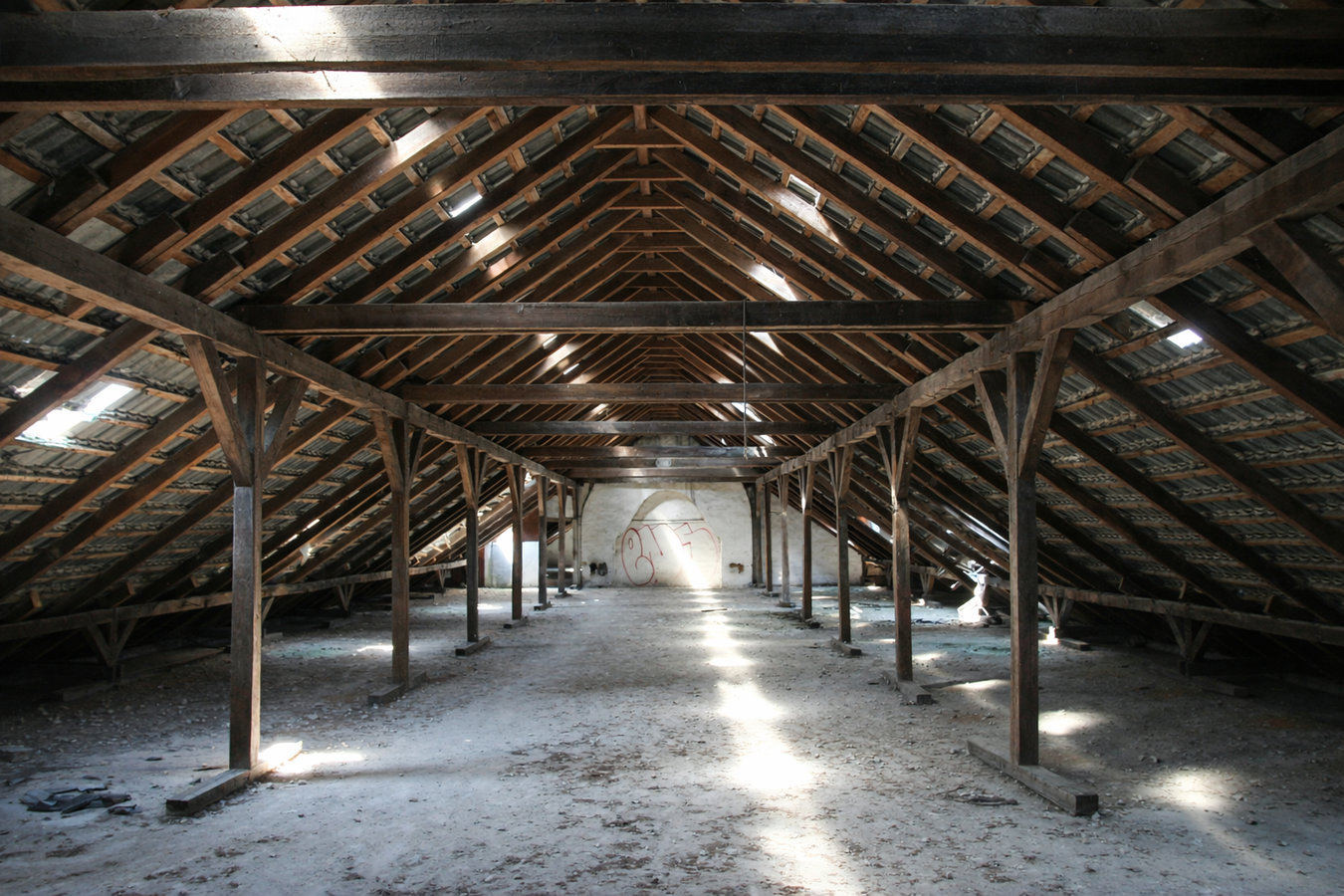
If you peek into your attic and can clearly see the tops of the wooden framing running across the floor, your insulation has either settled or was never deep enough. Adequate insulation for Laredo's climate should cover those beams completely. Any homeowner can check this safely from the access hatch.
Homes built in Laredo before 1990 were constructed under older standards that allowed far less insulation than what is recommended today. If your home is in this category and has never had an attic assessment, there is a strong likelihood the insulation is either insufficient, degraded, or both.
We install blown-in loose-fill insulation, fiberglass attic insulation, and spray foam for attic applications. The right choice depends on the current state of your attic, the type of framing, and whether existing material needs to come out first.
Blown-in insulation is the most common choice for Laredo attic upgrades because it fills every gap and corner without leaving the air pockets that batts sometimes leave behind. When we pair it with attic air sealing, we close the gaps first, then build up the thermal layer on top. For older homes with damaged or contaminated insulation, we start with removal before adding new material.
If your attic has moisture issues or you want a more comprehensive solution, blown-in insulation combined with spray foam air sealing delivers the most complete thermal and moisture barrier for Laredo's climate.
Best for adding depth to existing attics -- fills every gap evenly without settling.
Best performed before adding insulation -- closes gaps around fixtures and framing that allow hot air to bypass the insulation layer.
Necessary when existing material is damaged, contaminated, or soaked from a past roof leak.
Combines removal, air sealing, and new insulation for homes that have never had a proper upgrade.
Laredo's cooling season stretches from roughly April through October, and temperatures regularly exceed 100 degrees for weeks at a time. Your attic can reach 150 degrees or more on a summer afternoon, far hotter than most American cities. That sustained heat puts enormous pressure on whatever insulation is up there, and it accelerates the rate at which older insulation settles and thins out over the years.
Many of Laredo's established neighborhoods, including areas near downtown and along Del Mar Boulevard, contain homes built in the 1960s through 1980s, when insulation standards were far lower than they are today. If your home is more than 30 years old and has never had an insulation upgrade, there is a strong chance you are losing a significant amount of cooling every summer.
We serve the full region, including homeowners in Mission, Edinburg, and McAllen, all facing the same climate challenges. Attic insulation is not a luxury in South Texas; it is one of the most direct ways to control what you pay to stay comfortable.
Call or submit the form and we will respond within 1 business day. We schedule a free in-home assessment rather than quoting over the phone, because attic conditions vary too much to price accurately without seeing the space.
We go into your attic, measure existing insulation depth, check for gaps, moisture, or pest activity, and give you a written estimate that clearly states what is included, including whether air sealing and removal of old material are part of the job.
The crew runs a blowing hose up into your attic and distributes insulation evenly across the floor. Air sealing happens first if included. Most Laredo homes take two to four hours. You can stay home -- the work is contained to the attic.
We show you photos from inside the attic or invite you to look yourself. We confirm the depth installed and identify any gaps we found and sealed. You leave with documentation of exactly what was done.
The North American Insulation Manufacturers Association (NAIMA) publishes homeowner guidance on insulation standards and installation best practices.
We respond within 1 business day. There is no obligation, and the on-site estimate is free. After you submit, someone from our office calls to schedule a visit so we can measure your attic and give you an accurate, itemized quote.
(956) 539-8021We have worked on homes from the older streets near downtown to the newer subdivisions in North Laredo. We know which homes in this city tend to have the thinnest insulation and what it takes to bring them up to where they should be.
Every attic insulation job is handled by crews with years of hands-on experience in Laredo homes. We treat your home with care and document the work from start to finish.
We do not quote over the phone because every attic is different. A real estimate requires a real visit. We commit to responding to every inquiry within one business day.
Skipping air sealing before adding insulation is one of the most common shortcuts that leaves homeowners disappointed. We include it in every attic job because it is what makes the insulation actually work.
An attic insulation job is only as good as the preparation that precedes it. Air sealing, depth verification, and proper documentation are not optional extras -- they are what separate a job that actually lowers your bills from one that just checks a box.
AEP Texas has offered rebate programs for insulation upgrades in Laredo. Visit AEP Texas Energy Savings Programs to check current availability before scheduling your project.
The most common material used for Laredo attic upgrades, filling every gap and corner without air pockets and completing in just a few hours.
Learn morePerformed before adding insulation to close gaps around fixtures and framing -- the step that makes insulation actually work in South Texas heat.
Learn moreEvery month you wait is another month of overworking your AC and overpaying on your bill -- call today to find out what your attic actually needs.