Loading...
Serving Laredo, TX and surrounding areas. (956) 539-8021
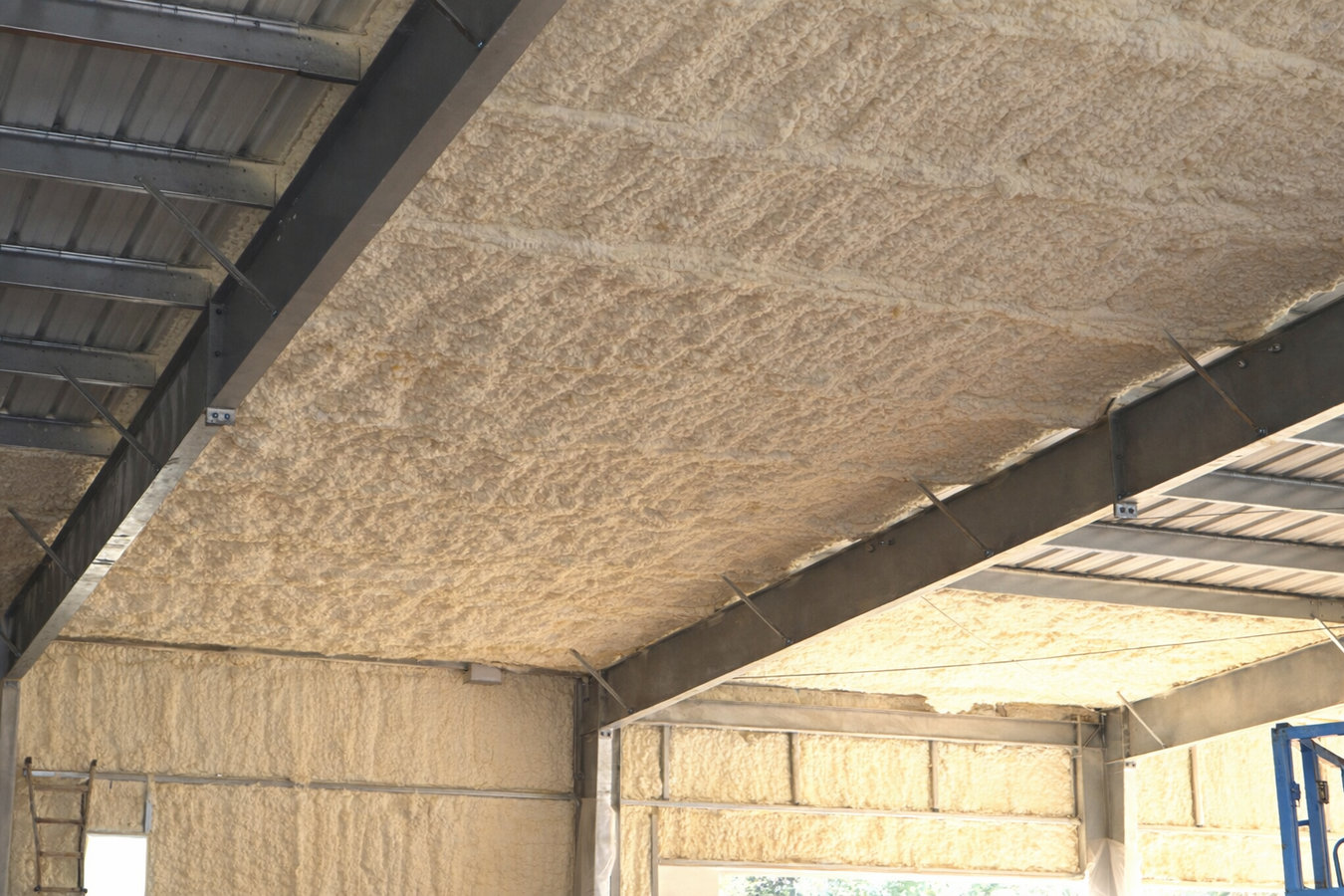
Laredo businesses pay some of the highest cooling costs in Texas. Proper commercial insulation lowers your monthly AEP Texas bill, eliminates hot spots, and keeps your space comfortable for employees and customers all summer.
Commercial insulation in Laredo slows heat movement through your building's walls, roof, and floors so your AC system does not have to work as hard -- most straightforward projects complete in one to three days with no shutdown of your operations.
Laredo's cooling season runs from April through October, and temperatures regularly exceed 100 degrees. If your commercial building was constructed before the early 2000s and has never had an insulation upgrade, it was likely built to older standards that leave your cooling system fighting a losing battle every summer.
Commercial insulation often pairs well with our spray foam insulation service for roofs and hard-to-reach cavities, and with wall insulation for exterior wall systems that need upgrading without opening interior finishes.
If your electricity costs have been creeping up even though your usage habits have not changed, aging or damaged insulation is one of the most common culprits. In Laredo's climate, where air conditioning runs almost continuously from spring through fall, even a modest drop in insulation performance translates to hundreds of extra dollars annually.
If one part of your commercial space always feels warmer than the rest, even with the AC running, that is a strong sign that insulation in that area is thin, damaged, or missing. This is especially common in older Laredo buildings where insulation was installed unevenly or has settled and compressed over time.
Any place where outside air can get in is also a place where cooled air leaks out. In Laredo's summer heat, those gaps work against your air conditioning around the clock. Look for them along rooflines, around utility penetrations, or at the tops of exterior walls.
A large share of Laredo's commercial buildings were built before current energy efficiency standards. If yours falls in that category and has never had an insulation inspection or upgrade, there is a real chance it is performing well below what is possible today, and your utility bills reflect that gap every month.
We install spray foam, blown-in loose fill, rigid foam board, and batt insulation in commercial applications throughout the Laredo area. The right material depends on where in the building the insulation is going, what is currently there, and whether moisture or pest damage has compromised existing material.
For flat commercial roofs, which are common throughout Laredo's older commercial stock, spray foam insulation is particularly effective because it seals the roof assembly completely while adding an insulating layer. For exterior wall systems in older buildings, wall insulation can be added through small openings without tearing out interior finishes.
When existing insulation has been compromised by water, pests, or age, adding new material on top will not solve the problem. We handle full removal and replacement, disposing of old material safely and starting fresh with properly installed new insulation that will perform for decades.
Best for flat commercial roofs and hard-to-reach spaces where a complete air and thermal seal is needed.
Best for large commercial attic spans where even coverage at the right depth is the primary goal.
Best for commercial buildings where continuous insulation is needed along exterior wall planes without disturbing interior finishes.
Best when existing insulation is water-damaged, pest-affected, or has compressed below useful performance levels.
Laredo is one of the hottest cities in the United States, with a cooling season that stretches more than six months out of the year. Commercial buildings here face more sustained thermal pressure than almost anywhere else in the country, and the combination of intense heat and periodic humidity from the Rio Grande corridor can degrade insulation faster than in drier climates.
A significant portion of Laredo's commercial building stock was built before Texas adopted current energy efficiency requirements. Warehouses, retail spaces, and office buildings constructed before the early 2000s are frequently under-insulated by today's standards. If your building is in that category, the gap between what your insulation is doing and what it could do often shows up directly on your AEP Texas bill during peak summer months.
We work on commercial buildings throughout the region, including in Eagle Pass, Del Rio, and McAllen, where the same climate conditions and commercial building stock characteristics apply.
We respond to all commercial inquiries within 1 business day. We schedule a site visit rather than quoting over the phone, because building size, material access, and existing insulation conditions vary too much to price accurately without seeing the space.
We walk through your building, check attic spaces, wall cavities, and mechanical areas, note any moisture issues or damaged material, and provide a written estimate covering exactly what work is recommended, what materials will be used, and the total cost.
We handle the permit process through the City of Laredo's Development Services Department before any crew arrives. Permits protect you with an official inspection record. Once permits are in hand, we schedule a start date around your business operations.
Most commercial jobs take one to three days. We keep you informed of which areas will be affected and when they are safe to re-enter, particularly if spray foam is used. Before we leave, we walk you through the completed work and confirm cleanup is done.
No obligation. We respond within 1 business day and provide a written estimate after the site visit.
(956) 539-8021We have worked on commercial buildings across the region, from older warehouse stock near the border to newer retail spaces in North Laredo. We know what insulation conditions to expect in Laredo's building stock and how to address them efficiently.
We coordinate any permits your commercial project needs through the City of Laredo and keep the process on track. Every commercial job is documented with photos and a written record, so you have a clear account of what was installed on your property.
Laredo's climate calls for different insulation strategies depending on where in the building the work is happening. We carry the materials and equipment to install spray foam, blown-in loose fill, and rigid foam board, so we can match the right solution to each part of your building.
We plan every commercial job around your business hours. If spray foam curing requires an area to be temporarily off-limits, we tell you exactly which spaces and for how long before the crew arrives. No surprises on installation day.
The Insulation Contractors Association of America provides the industry standards we follow on every commercial job. Combined with our experience and knowledge of Laredo's commercial building stock, that means you get work that is done to code, inspected, and documented before we leave your property. The AEP Texas commercial rebate programs are worth reviewing before your project, as qualifying work may reduce your out-of-pocket cost.
Spray foam applied to commercial roofs, walls, and cavities where a complete air and moisture seal is the priority.
Learn moreDense-pack and batt insulation for commercial exterior walls, added without opening interior finishes where possible.
Learn moreCall now or submit the form for a free written estimate. We serve commercial clients throughout Laredo and the surrounding region with 1 business day response.