
Loading...
Serving Laredo, TX and surrounding areas. (956) 539-8021
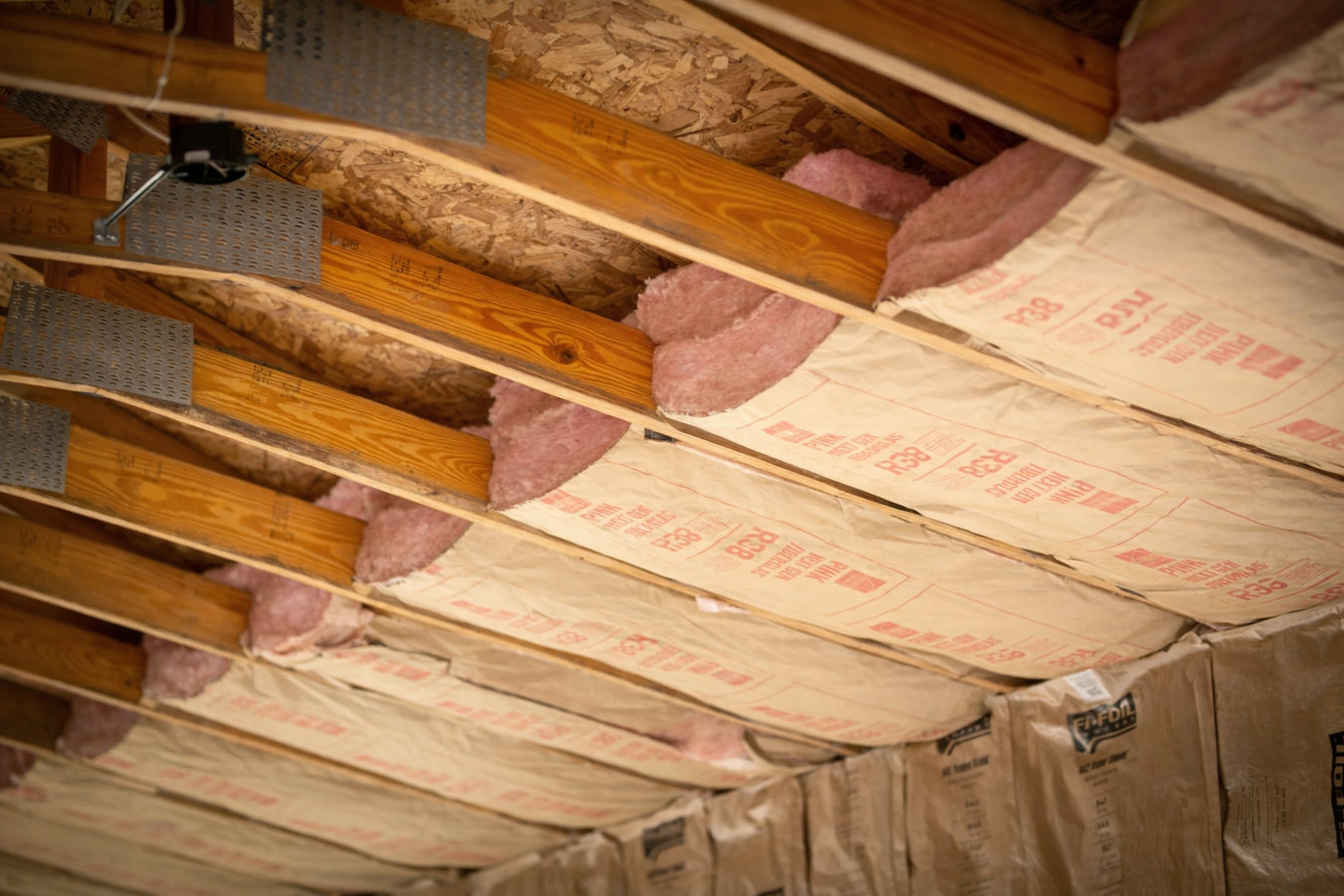
Laredo Insulation is an experienced insulation contractor serving Eagle Pass, TX, providing home insulation, spray foam insulation, and attic insulation upgrades for Maverick County homeowners and businesses. We serve Eagle Pass as part of our South Texas service area and have been operating since 2022, with free written estimates and documented work on every job.
Most Eagle Pass homes were built between the 1950s and 1990s, and the majority have never had a full insulation assessment. A whole-home evaluation identifies the attic, walls, and floor areas where heat is getting in and determines the right materials and depths for this climate. Learn more about home insulation services.
Eagle Pass attics can reach extreme temperatures on summer afternoons, pressing heat directly into living spaces below. For homes built before 1990, attic insulation has often settled or degraded to well below the recommended depth for this climate zone, and most homeowners do not realize how much cooling capacity they are losing every month.
Eagle Pass stucco and masonry homes develop gaps around windows, penetrations, and foundation transitions over time in the heat. Spray foam fills those gaps and insulates at the same time, making it particularly effective for older in-town homes near Fort Duncan Park where air leakage is a primary source of energy loss.
Blown-in insulation is the most practical choice for Eagle Pass attic upgrades because it fills every corner and irregular cavity without opening walls or ceilings. It is especially well-suited for the single-family homes with modest lot sizes that make up most of the city's housing stock, where minimizing disruption during the job matters.
Eagle Pass sits on flat terrain near the Rio Grande floodplain, and heavy rain events cause water to pool around foundations on lots without natural drainage. A proper vapor barrier protects wall assemblies and floor systems from the moisture that follows those flooding episodes, particularly in older homes where original waterproofing has degraded.
The clay soil throughout Maverick County shrinks and swells with every wet-dry cycle, and that movement opens gaps in building envelopes over time. Air sealing closes those entry points at outlets, pipes, attic hatches, and framing transitions before new insulation goes in, delivering better results than insulation alone.
Eagle Pass regularly sees summer highs at or above 100 degrees Fahrenheit from June through August, and the combination of extreme heat and high sun exposure takes a toll on roofing materials, stucco exteriors, and whatever insulation sits in the attic above. The city sits in a semi-arid climate with only about 18 to 20 inches of rain per year on average, but when rain does arrive it tends to come in heavy bursts on flat terrain that cannot drain quickly. That pattern of drought followed by intense rain causes the heavy clay soil throughout Maverick County to shrink and swell repeatedly, which over time opens gaps in building envelopes and stresses foundations.
The bulk of Eagle Pass's housing stock was built between the 1950s and 1990s, and homes from that era were typically constructed with stucco or masonry exteriors on flat lots. These materials hold up well in the heat, but they develop cracks around windows and penetrations over time, and the original insulation in many of these homes has settled far below current recommended depths. The February 2021 winter storm caught many South Texas homeowners off guard, including in Eagle Pass, and homes without adequate insulation and air sealing fare worse in sudden hard freezes as well as in summer heat.
Newer subdivisions on the north and east sides of Eagle Pass, built in the 2000s and 2010s, are now reaching the age where first major insulation assessments are worthwhile. These homes may have been adequately insulated at the time of construction but are entering the phase where air sealing gaps have developed and insulation depth may have settled. Knowing whether your home is in one of the established in-town neighborhoods or a newer suburban subdivision changes which services make the most sense and which materials perform best.
Laredo Insulation travels to Eagle Pass regularly as part of our South Texas service area. Eagle Pass is a city of about 29,000 people in Maverick County, sitting on the Rio Grande across from Piedras Negras, Mexico. We work on both the older in-town homes near Fort Duncan Park and on the newer subdivisions that have expanded on the north and east edges of the city, and we see noticeably different construction types and insulation conditions between those two parts of town.
Stucco and concrete block construction dominates the in-town neighborhoods, and we know these materials well. Gaps that develop in stucco around window frames and foundation transitions are common insulation and air sealing opportunities we encounter on nearly every job in the older parts of Eagle Pass. The flat topography throughout Maverick County also means we pay close attention to drainage around foundations and to moisture infiltration when we inspect attics and crawl spaces.
We also serve homeowners in Del Rio, TX, which is located about 57 miles northeast of Eagle Pass along US-277 and shares many of the same climate conditions, clay soil challenges, and mid-20th-century building stock. If you are comparing insulation options across properties in both communities, we can help you understand what the work involves in each location.
We respond to all Eagle Pass inquiries within 1 business day. We will ask your address, the approximate age of your home, and what you have noticed, then schedule a free on-site assessment.
We measure your current insulation depth, inspect for air gaps and moisture, and provide a written estimate that breaks down materials, scope, and total cost. Any cost questions are addressed here so you have a clear picture before committing to the work.
Our crew arrives with all equipment and materials. We seal air gaps first, then install insulation to the target depth. Most Eagle Pass attic jobs are completed in a single day; for spray foam applications we give you a specific re-entry time before we begin.
We walk you through what was installed, confirm final depth and coverage, and provide documentation of materials used. If we spotted any moisture or structural issues during the job, we flag them so you can address them before they become bigger problems.
We serve Maverick County homeowners and businesses and respond within 1 business day. Call us directly or fill out the form and we will reach out to schedule your Eagle Pass assessment.
(956) 539-8021Eagle Pass is a city of about 29,000 people in Maverick County, sitting directly on the Rio Grande across from Piedras Negras, Mexico. The Fort Duncan historic site on the banks of the river marks the oldest part of the city, and the surrounding in-town neighborhoods contain a mix of stucco and masonry homes built from the early 1900s through the 1980s. The community is predominantly Hispanic, with deep cross-border ties to Piedras Negras, and roughly 60 to 65 percent of occupied housing units are owner-occupied, according to Census data.
The housing stock in Eagle Pass is primarily single-family homes on modest lots, with newer subdivisions having expanded on the north and east edges of the city over the past two decades. The flat terrain throughout Maverick County is characteristic of the Rio Grande floodplain, and most residential lots have limited natural drainage. The Kickapoo Lucky Eagle Casino, located just outside the city, is one of the most recognized landmarks in the area and draws visitors from across West Texas and beyond.
Eagle Pass is located along US-277/US-57 and is about 57 miles southwest of Del Rio, TX, which we also serve. Both cities share the same general climate, soil conditions, and mid-20th-century building stock that make proper insulation an ongoing priority for local homeowners.
Spray foam insulation seals air gaps and provides high R-value coverage for walls, attics, and crawl spaces.
Learn moreAttic insulation keeps conditioned air inside your home and reduces energy bills year-round.
Learn moreBlown-in insulation fills irregular cavities and existing walls without major disruption.
Learn moreWhole-home insulation assessments and installation to improve comfort throughout your living space.
Learn moreSafe removal of old, damaged, or contaminated insulation before a fresh installation.
Learn moreCrawl space insulation controls moisture and temperature beneath your home's floor.
Learn moreWall insulation reduces heat transfer and sound transmission through exterior and interior walls.
Learn moreAir sealing stops drafts and energy loss at gaps, penetrations, and transitions throughout the building envelope.
Learn moreBasement insulation stabilizes temperatures below grade and reduces heating and cooling loads.
Learn moreClosed-cell spray foam provides a dense, moisture-resistant barrier with one of the highest R-values per inch.
Learn moreOpen-cell spray foam is a flexible, sound-dampening option well-suited for interior walls and attics.
Learn moreAttic air sealing targets the ceiling plane to prevent conditioned air from escaping into the attic.
Learn moreA vapor barrier in the crawl space blocks ground moisture from entering the living area above.
Learn moreVapor barrier installation protects wall assemblies and floors from damaging moisture intrusion.
Learn moreRetrofit insulation upgrades the thermal performance of existing homes without full renovation.
Learn moreCommercial insulation solutions for offices, warehouses, and multi-unit buildings in the Laredo area.
Learn moreServing these cities and communities.
Call Laredo Insulation or send us a message. We serve Eagle Pass and Maverick County and will respond within 1 business day with your free estimate.