
Loading...
Serving Laredo, TX and surrounding areas. (956) 539-8021
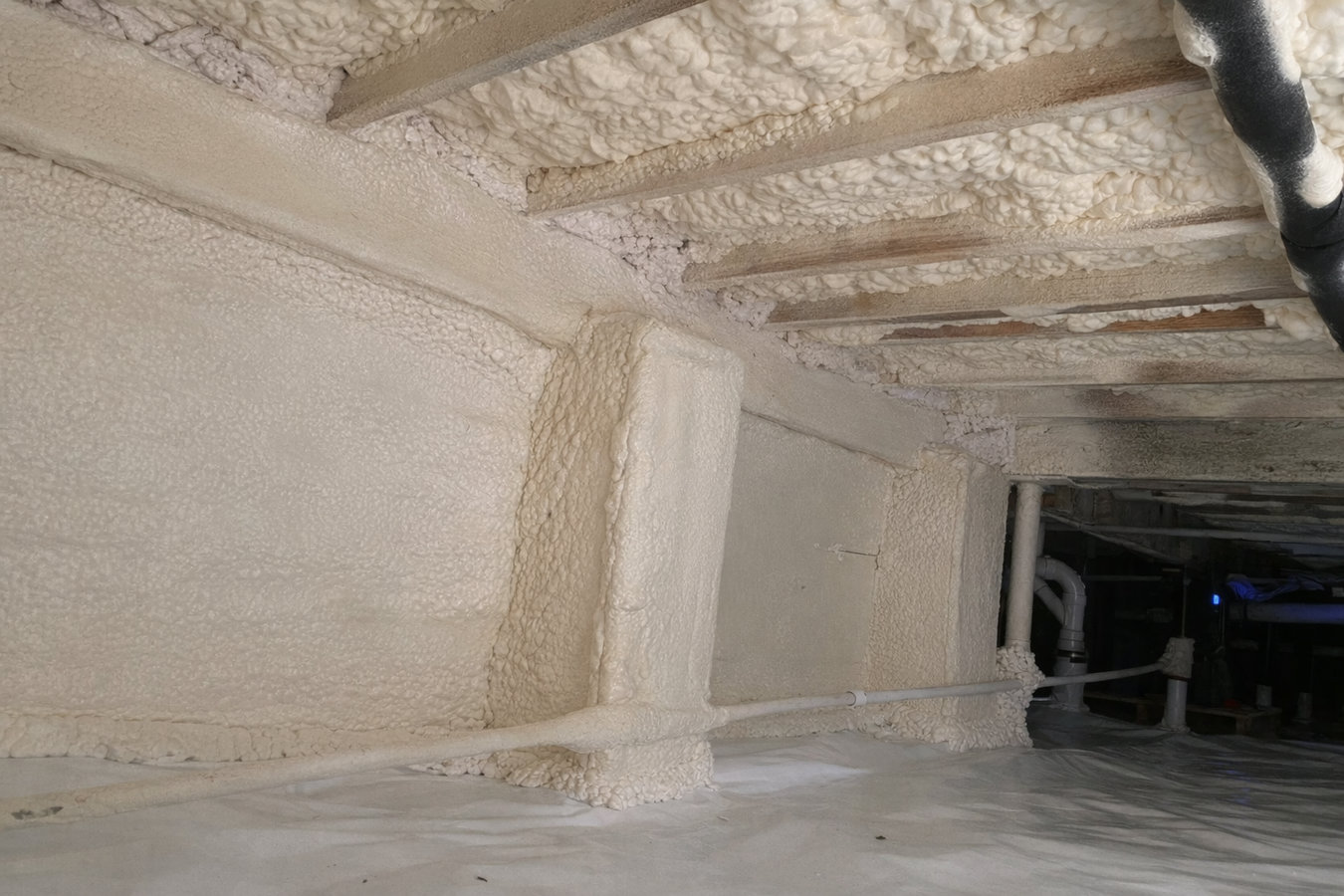
Heat rising through your floors drives up your electric bill and lets moisture in. Proper crawl space insulation stops both problems at the source.
Crawl space insulation in Laredo slows heat transfer from the ground up through your floors into your living space — most standard installations on a single-story home are completed in one to two days. Without it, the extreme heat that builds up beneath your home in summer works directly against your air conditioner, raising your electric bill every month. Laredo Insulation installs both floor-joist insulation and full encapsulation systems, depending on what your crawl space needs.
Many homeowners in Laredo discover the crawl space is also the source of moisture problems, musty odors, or unexplained soft spots in the floor. Pairing crawl space work with wall insulation or a crawl space vapor barrier addresses the full picture rather than just one piece of it.
Walking barefoot on a hot Laredo afternoon and feeling warmth through the floor is a clear sign that heat is rising from an under-insulated crawl space. This forces your air conditioner to fight heat coming from below — not just from outside — which drives energy costs higher.
A persistent musty odor — especially near floor vents or low areas of your home — often means moisture and mold are developing in the crawl space. Laredo's summer monsoon humidity, combined with an unsealed crawl space, creates exactly the conditions where this happens. It gets worse over time, not better.
If you're cooling a similar-sized home as your neighbors but paying noticeably more each summer, the crawl space is one of the first places to investigate. An uninsulated or degraded crawl space is one of the most common energy leaks in South Texas homes and is relatively straightforward to address.
If you or a contractor shines a light into the crawl space access hatch and sees daylight through foundation gaps, insulation hanging loose from floor joists, or discolored or deteriorated material, the insulation is no longer doing its job and needs to be replaced.
We offer two primary approaches depending on what your crawl space needs. Floor-joist insulation places material between the wooden beams that hold up your floor, creating a thermal barrier between the ground and your living space. Full encapsulation seals the entire crawl space — walls, ground, and vents — with insulation and a heavy-duty moisture barrier. Encapsulation is the more complete solution and tends to perform better in Laredo's humid summer months.
If old or damaged insulation is present, we remove it before the new installation — there is no value in layering over compromised material. We also assess for air gaps around the foundation perimeter, which are common in Laredo due to the area's expansive clay soils. When wall insulation is also on your list, combining both projects in one visit saves time and reduces the disruption to your household.
For homes where ground moisture is the primary concern, adding a crawl space vapor barrier alongside the insulation dramatically extends how long the installation lasts. We recommend this combination for most Laredo homes given the monsoon-season humidity from June through September.
Best for homes where the primary goal is reducing heat transfer through the floor without full crawl space sealing.
Suited for homes with moisture concerns, musty odors, or conditions where outside air enters the crawl space freely.
Ideal for homes with old, sagged, or moisture-damaged insulation that needs to come out before new material can go in.
Laredo averages more than 100 days per year above 100°F, making it one of the hottest cities in the country. Your air conditioner runs for the majority of the year, and an uninsulated crawl space allows ground heat to rise directly into your home through the floors. In this climate, crawl space insulation is primarily a cooling-season investment — and the impact on your monthly energy bill is real and measurable, not theoretical.
Laredo also sits along the Rio Grande and experiences seasonal humidity during the summer monsoon months. That moisture can work its way into an unsealed crawl space, where it promotes mold growth and wood rot beneath your floors. Much of Laredo's housing stock was built in the 1960s through 1980s, and homes from that era often have crawl spaces that have never been inspected or updated. Webb County's expansive clay soils add to the challenge, as the ground swells and shrinks with moisture changes — creating air gaps around the foundation that allow outside air and humidity in.
We serve homeowners throughout Laredo and the surrounding South Texas region. If you're in Eagle Pass, Zapata, or Del Rio, we work in those communities and know the same climate conditions that affect every crawl space in this part of Texas.
We respond within 1 business day. Tell us your home's approximate size, its age, and any signs you've noticed — musty odors, warm floors, or high bills. You don't need to know what's in the crawl space; we'll figure that out in person.
A technician physically enters the crawl space to assess the existing insulation, check for moisture or mold, note the size and accessibility, and look for foundation air gaps. You receive a written estimate with a clear total before we schedule any work.
The crew removes old material if needed, addresses any moisture issues in scope, and installs the new insulation. Most average-sized Laredo homes are finished in one day. The work happens entirely beneath your home — your floors and living spaces are not disturbed.
Before we leave, we walk you through what was completed, confirm no gaps or uncovered areas remain, and answer any questions. Warranty details are provided in writing. In the weeks after, pay attention to whether floors feel cooler and your AC cycles less often.
We respond within 1 business day. There is no obligation after the estimate. A technician will physically inspect your crawl space and give you a written quote with everything included.
(956) 539-8021Every estimate starts with a technician entering your crawl space — not a phone quote based on square footage. That inspection determines the right approach and catches moisture or structural issues before they become surprises on your invoice.
We work throughout Laredo and into surrounding areas including Eagle Pass, Zapata, Del Rio, and the Rio Grande Valley. Every one of those markets has the same summer heat, clay soil conditions, and seasonal humidity — and we understand what that means for crawl space performance.
Our quotes cover removal of old material, installation, moisture barrier work if needed, and cleanup. There are no add-ons at the end. You approve the full scope before we start, and the final invoice matches what you agreed to. That is the only way we work.
We install to recognized national performance benchmarks, not just the minimum required by code. In Laredo's climate zone, meeting code minimums leaves real performance on the table. Our installations are designed to last 20 or more years with the moisture controls that Laredo's humidity demands. Learn more at{' '} ENERGY STAR.
Good crawl space insulation leaves no gaps, sags, or uncovered areas — every inch of the target surface should be covered evenly. We follow the installation guidelines set by the North American Insulation Manufacturers Association and pair every job with a final walkthrough so you can see the work for yourself before we leave. When a Texas state building permit is required for your scope, we handle it through the City of Laredo Development Services Department.
Extend your thermal protection from the crawl space up through the exterior walls for a complete barrier against Laredo's summer heat.
Learn moreA heavy-duty ground liner paired with crawl space insulation blocks rising moisture and significantly extends the life of your installation.
Learn moreLaredo's heat season is long — every month without proper insulation is a month of higher energy bills. Get a free written estimate today and lock in your installation date.