Loading...
Serving Laredo, TX and surrounding areas. (956) 539-8021
High energy bills and rooms that never cool down are signs your attic insulation is not doing its job. Blown-in insulation fills every corner and gap — delivering consistent comfort across your whole home.
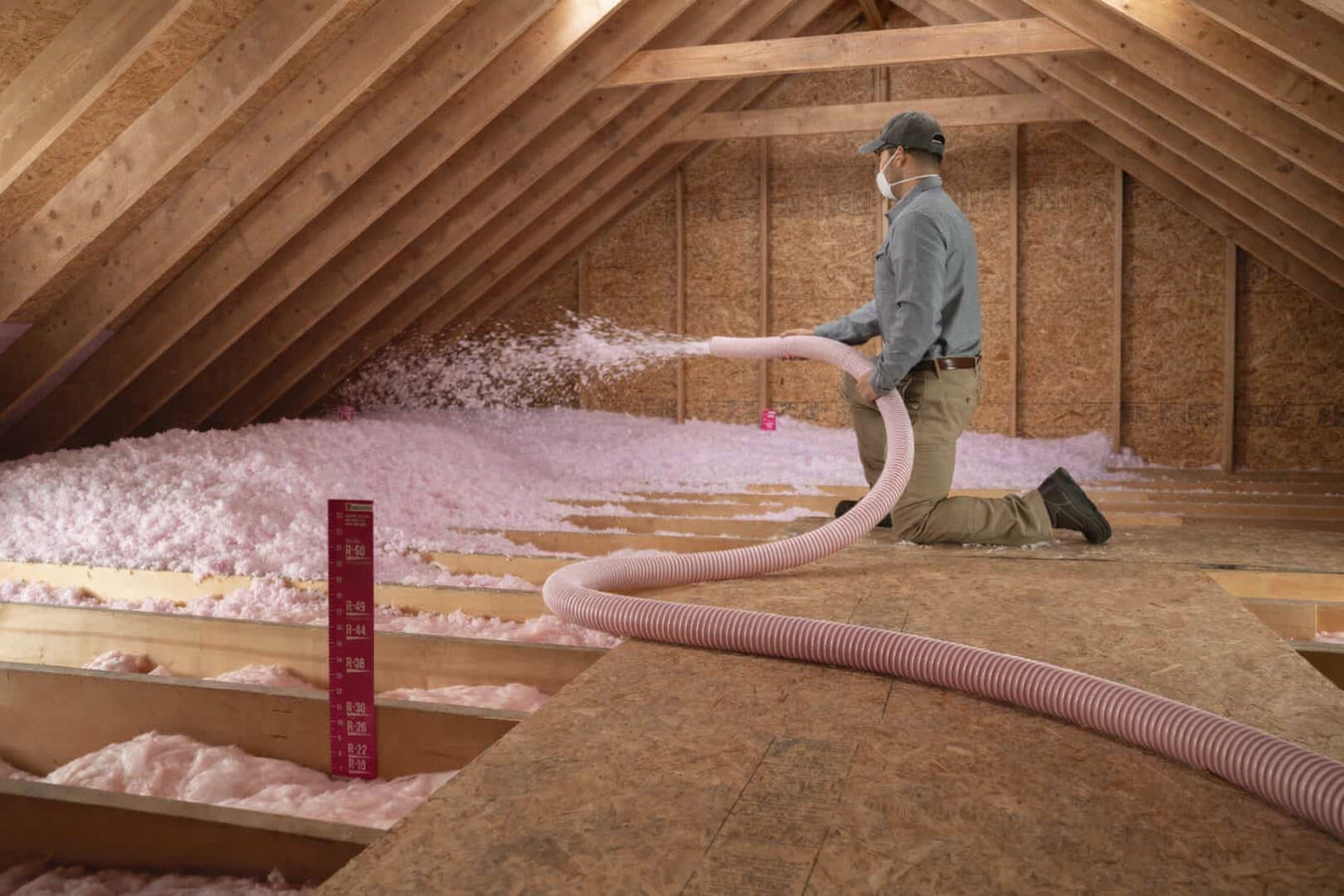
Blown-in insulation in Laredo fills your attic floor with loose material — cellulose or fiberglass — that covers gaps, corners, and irregular spaces batt rolls cannot reach. Most attic jobs for a single-story home take two to four hours and do not require you to leave the house.
In South Texas, the attic is the primary entry point for summer heat. Temperatures up there can exceed 150°F on a July afternoon, and without adequate insulation, that heat presses directly into your living space all day. That is why cooling bills in under-insulated Laredo homes can feel disproportionately high even when the thermostat does not change.
Blown-in is also the most practical choice for existing homes because it does not require opening walls or removing existing materials. For homes needing attic coverage as part of a broader upgrade, our home insulation service covers the full assessment.
If your air conditioner runs almost constantly during summer without your home reaching a comfortable temperature, your attic insulation is likely to blame. In Laredo's extreme heat, an under-insulated attic pushes heat directly into your living space faster than any AC unit can remove it.
If your bills have climbed year over year without a change in habits, aging or settled insulation is one of the first things to investigate. Blown-in insulation compresses over time, and what was adequate 20 years ago may now be a fraction of its original depth.
If you peek into your attic and the wooden framing boards are clearly visible above the insulation, you do not have enough for Laredo's climate. Properly insulated attics here should have insulation deep enough that the joists are buried and difficult to see.
Rodents and insects nest in and tunnel through insulation, leaving gaps and contamination. If you have had any pest issues — or heard sounds in your attic — have the insulation inspected. Damaged material needs to be replaced, not just treated.
We install both cellulose and fiberglass blown-in insulation, and the right choice depends on your attic layout, existing material, and budget. Cellulose is made from recycled paper fibers and is particularly good at filling irregular spaces. Fiberglass attic insulation settles less over time, which means less maintenance in the long run.
For homes where the attic is one piece of a larger problem, we also offer attic insulation as a standalone service — including assessment of existing material, targeted air sealing, and upgrade to current recommended depth levels for Laredo's climate zone.
Every blown-in job includes measuring your existing depth before we start and walking you through the finished result. We also check for signs of moisture and pest activity before any new material goes in, so we are not covering up a problem that will come back later.
Best for attics with irregular framing or existing partial insulation — fills gaps thoroughly.
Settles less over decades and handles moisture better — a good long-term choice for Laredo's humidity swings.
Suits homes where existing insulation is in good condition but below recommended depth for this climate zone.
For homes where existing material is damaged, contaminated, or too deteriorated to build on top of.
Laredo sits in Climate Zone 2 — the second-hottest classification in the U.S. Department of Energy's system. That classification carries specific attic insulation recommendations that are higher than what most homes in Laredo built before the 1990s actually have. For homeowners in older neighborhoods near downtown, or in established areas like Del Mar, the gap between what is up there and what should be there is often significant.
AEP Texas, the local electric utility, has historically offered rebate programs for qualifying insulation improvements. Checking whether a rebate is currently available before you schedule your job can reduce your out-of-pocket cost — your contractor should know what is available or be willing to find out.
We also serve homeowners in Zapata, Eagle Pass, and other surrounding communities where climate conditions and housing stock create similar needs. Call or submit a request and we will confirm whether your address is within our current service area.
When you call or submit a request, we ask a few basic questions about your home and schedule a free on-site visit. We respond within 1 business day.
We go into your attic, measure existing depth and condition, and identify air gaps. You get a written quote spelling out square footage, target depth, and what is included.
On job day, we seal air gaps around light fixtures, pipes, and the attic hatch first. This step takes 30 to 60 minutes and is what makes blown-in insulation perform at its best.
We work across the attic floor, building insulation to target depth. For most Laredo homes this takes one to three hours. We clean up and walk you through the finished depth before leaving.
We respond within 1 business day. There is no obligation to proceed after the estimate. After you submit, someone from our office will call to schedule a free on-site visit at a time that works for you.
(956) 539-8021We work throughout Laredo every week — from the older neighborhoods near downtown to the newer subdivisions in North Laredo. That local experience means fewer surprises on your job.
Every job is handled by crews with years of blown-in installation experience. We keep the work clean from first contact to final cleanup, with no gray areas.
We respond to every request within 1 business day and provide free on-site estimates with written quotes. No pressure, no obligation to proceed.
Many contractors skip the air sealing step or charge extra for it. We include it as part of every blown-in job because the insulation alone does not perform the same without it.
We have worked on homes throughout Laredo and the surrounding region — from 1970s-era homes near the river to newer construction in North Laredo. That range of experience means we know what to expect going into your attic, and we can give you an honest assessment rather than a standard pitch. The U.S. Department of Energy recommends R-38 to R-60 for attics in Laredo's climate — we quote to that standard and show you the depth before we leave.
Whole-home insulation assessment covering attic, walls, and more to fix uneven temperatures throughout your house.
Learn moreDedicated attic insulation service addressing the single biggest source of heat gain in Laredo homes.
Learn moreCall Laredo Insulation today for a free on-site estimate — the sooner your attic is properly insulated, the sooner your bills reflect it.