Loading...
Serving Laredo, TX and surrounding areas. (956) 539-8021
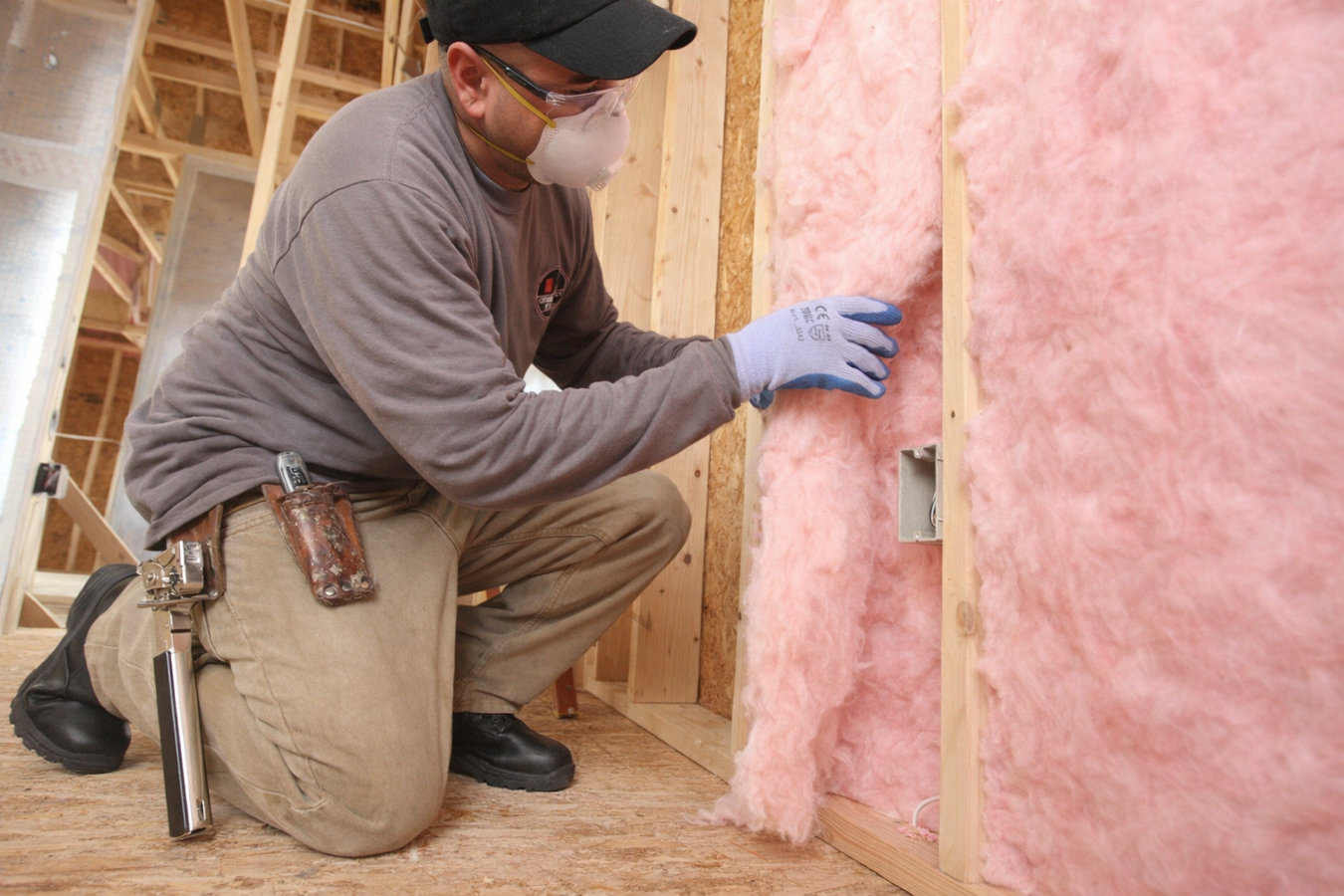
Your Laredo home can get better insulation today without tearing out walls or moving out. We add blown-in and spray foam insulation to existing homes so your AC stops fighting an uphill battle every summer.
Retrofit insulation in Laredo means adding insulation to a home that is already built, without tearing out walls, using blown-in or spray foam material pushed in through small openings -- most attic jobs complete in a single day and require no permits.
In Laredo, where summer temperatures regularly exceed 100 degrees for months at a time, homes built before the 1990s are often running on insulation levels that were considered adequate then but fall far short of what is recommended today. The result is an AC system that runs almost continuously and electric bills that climb every summer.
Retrofit work pairs naturally with our home insulation service for homeowners who want a full assessment of every part of the house. For older properties with damaged or contaminated material that needs to come out first, we also offer commercial insulation for business properties with the same no-renovation approach.
If your AEP Texas bill climbs to $300 or more during Laredo's long summer months and your neighbors in similar-sized homes pay noticeably less, poor insulation is one of the most likely culprits. Your AC is working overtime to cool a house that is leaking cold air as fast as it is made.
If one or two rooms always feel hotter than the rest, especially rooms directly under the roof, your insulation above them is likely thin or missing entirely. In Laredo's summer heat, a poorly insulated room under an attic can feel like an oven even with the AC running full blast.
If you peek into your attic and can clearly see the tops of the wooden joists running across the floor, your insulation is almost certainly below the recommended depth for Laredo's climate. Adequate insulation should cover those beams completely and add several inches beyond.
Laredo has a large share of homes built in the 1970s and 1980s under standards far lower than today's recommendations. If your home is more than 25 years old and no one has mentioned insulation since you moved in, there is a reasonable chance the attic has far less material than it should.
The attic is the most impactful place to start for most Laredo homes, because heat rises and the gap between your living space and the outdoor heat is thinnest at the roofline. We blow in loose-fill material to the depth required for this climate zone, after air-sealing gaps around fixtures, pipes, and wires that would otherwise let hot air bypass the insulation entirely.
For exterior walls, we use dense-pack blown-in insulation installed through small holes drilled from outside, then patched. This approach reaches enclosed wall cavities without opening up your interior walls. For homeowners doing a full energy upgrade, home insulation can combine attic, wall, and crawl space work in a single project.
When old insulation is contaminated, soaked, or degraded, adding on top of it will not help. We also handle full removal and replacement, starting fresh with properly installed material. The commercial insulation version of this service follows the same process for Laredo businesses needing an upgrade without shutting down operations.
Best for homeowners whose primary problem is high summer cooling costs. Adds depth quickly and fills every gap evenly.
Best for older homes with little or no wall insulation. Installed through small exterior holes with no interior disruption.
Necessary when existing material is contaminated, water-damaged, or harboring pests. Starts fresh rather than layering on problems.
Combines attic, wall, and crawl space work for homeowners ready to address every weak point in one coordinated project.
Laredo sits in one of the hottest climate zones in the continental United States. Summer temperatures regularly exceed 100 degrees, and the cooling season runs from roughly April through October. That is more than six months of hard AC use every year. Any weakness in your insulation, whether it is thin attic coverage or gaps in exterior walls, costs you money every single day during that stretch.
A large share of Laredo's housing stock was built in the 1970s and 1980s, when insulation standards were a fraction of what is recommended for this climate today. Many of those homes have never had an upgrade. If your home is in that category, a one-day retrofit job can bring your home's thermal performance from outdated to current, without a renovation.
We regularly work on homes throughout the region, including in Zapata, Eagle Pass, and Del Rio, where the same conditions apply. Homes across the region are eligible for the same federal tax credit and potential AEP Texas rebates available to Laredo homeowners.
We respond to all inquiries within 1 business day. We schedule a site visit rather than quoting over the phone, because attic and wall conditions vary too much to price accurately without seeing the space first.
We check your attic depth, look for air leaks, and note any damaged or contaminated material that needs to come out first. You receive a written estimate stating exactly what work is included and what the total cost will be.
The crew works in the attic or from outside your walls. For most Laredo homes, blown-in attic insulation takes two to four hours. You can stay home. There is no drying or curing period for blown-in material.
We show you photos from the attic so you can see the finished result. We confirm the depth installed and provide written documentation of the work, materials used, and final insulation level for your tax credit records.
No obligation. We respond within 1 business day and send a written quote after the site visit.
(956) 539-8021We have worked on homes throughout this city, from the older neighborhoods near downtown to newer subdivisions in North Laredo. We know what insulation conditions to expect at different ages and areas of the city.
Every retrofit insulation job is handled by crews with years of hands-on experience in older Laredo homes. We document the work with photos and can walk you through the scope before any work begins.
Adding insulation on top of air leaks is one of the most common shortcuts in this industry. We air-seal gaps around wires, pipes, and fixtures first so the insulation can actually do its job instead of compensating for gaps.
We provide written documentation of the work completed, materials used, and final insulation depth at the end of every job. This is the paperwork you need to claim the federal energy efficiency tax credit when you file.
The Insulation Contractors Association of America sets industry standards for retrofit work that we follow on every project. We pair that with local knowledge of Laredo's housing stock, which means fewer surprises and more accurate estimates for the homeowners we serve.
Retrofit-style insulation upgrades for Laredo businesses and commercial buildings, with the same no-renovation installation approach.
Learn moreA whole-home insulation assessment covering attic, walls, and crawl space in a single coordinated project.
Learn moreCall now or submit the form for a free written estimate. We serve Laredo and the surrounding region with 1 business day response.